Does Artificial Turf Get Too Hot? Solutions
Artificial turf can reach 150-180°F in direct sun. Learn why it gets hot, which products stay cooler, and practical solutions for managing turf heat.
Artificial turf gets hot. Genuinely, uncomfortably, sometimes dangerously hot in direct sunlight during summer months. It's the biggest legitimate complaint from turf owners, and one that's worth understanding before you install, because some product choices significantly reduce the problem.
This guide covers what causes turf heat, how hot it actually gets, what helps, and what doesn't.
How Hot Does Artificial Turf Get?
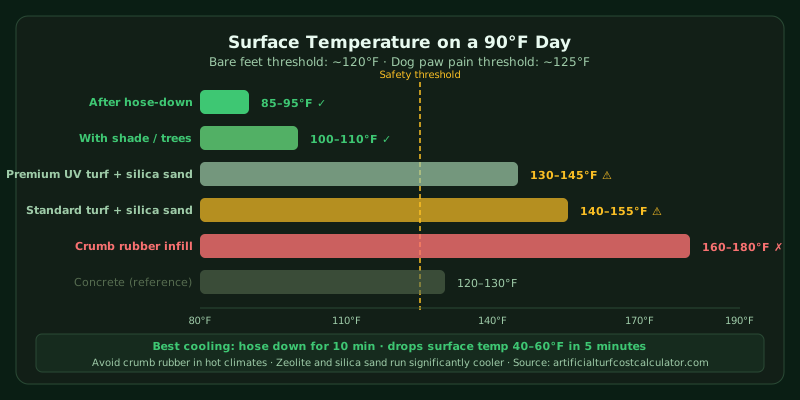
Studies from Penn State University and other researchers have measured artificial turf surface temperatures in direct sunlight at 140–180°F (60–82°C). For reference:
- Natural grass in the same conditions: 80–100°F
- Concrete: 120–140°F
- Asphalt: 140–160°F
At 150°F, the surface is hot enough to cause burns on bare skin within seconds. Pet paws (which are more sensitive than human feet) can be burned at temperatures as low as 125°F. Children who fall on the surface face similar risks.
The heat isn't constant. On a 90°F day with full sun, turf temps spike. On cloudy days, in the morning, in the shade, or after watering, temperatures drop dramatically, often to within 20°F of natural grass.
Why Artificial Turf Gets Hot
The physics is simple: synthetic fibers absorb more solar radiation than natural grass, and they don't benefit from evaporative cooling (the process that keeps real grass cooler through transpiration). When the sun hits artificial turf, the heat has nowhere to go but up.
Color plays a major role. Darker green turf absorbs more heat than lighter green or olive-toned products. Some manufacturers have developed lighter "cool-turf" color blends specifically to reduce heat absorption.
Infill matters significantly. Crumb rubber infill (the recycled tire material common on sports fields) retains heat especially well and can push surface temperatures 10–20°F higher than silica sand. The rubber's dark color and thermal mass compound the problem.
Pile height affects air circulation. Very long pile (50mm+) traps air and heat near the surface. Shorter pile allows slightly more air movement and cools faster when conditions change.
Solutions That Actually Work
Shade Structures
The most effective solution is also the most obvious: block direct sunlight. A pergola, sail shade, or patio umbrella keeps shaded turf 40–60°F cooler than exposed areas. If your layout allows shade structures without making the space feel cramped, this is the best investment you can make alongside the turf installation itself.
Existing shade from trees or buildings is equally effective. Turf installed in partial shade performs significantly cooler than fully exposed areas.
Cooling-Grade Infill
Standard crumb rubber is the worst infill choice for heat management. Silica sand runs cooler. Zeolite runs cooler still, and zeolite and some organic infills are specifically marketed as "cooling infill" because they absorb and hold water, which evaporates and cools the surface like natural grass. See our infill comparison guide for a full breakdown.
Some premium turf manufacturers offer infill products specifically engineered for heat reduction, marketed under brand names like TigerCool or AirField Systems. These cost more than standard infill ($1.75–$3/sq ft vs $0.75–$1.50) but can reduce surface temperatures by 25–40°F.
Watering
A quick spray from a garden hose cools turf surface temperatures within minutes, dropping them from 160°F to 90°F or below. Mist systems can be installed in the perimeter or overhead to provide automatic cooling. The water drains through the perforated backing rather than pooling.
This approach uses water, which may be a concern in drought-prone areas. However, turf misting uses a fraction of the water needed to keep natural grass alive.
Lighter-Colored Products
If heat is a primary concern for your project, choose a turf product with a lighter color palette: olive green rather than dark emerald, with realistic tan "thatch" visible at the base. This isn't purely aesthetic. Lighter products can run 15–25°F cooler on the surface.
Most manufacturers now offer "cool-climate" or "low-heat" product lines. Ask specifically about surface temperature data when comparing products.
Perforated Backing Systems
Some turf products use a more open backing structure that allows better airflow underneath the pile. Combined with proper base drainage, these products cool faster than traditional closed-backing turf. Look for products marketed as "breathing" or "perforated" systems.
What Doesn't Work
Dark sand infill. Some installers use dark-colored sand products that retain more heat than standard silica sand. Avoid.
Thicker pile in full sun. Going to 55mm+ pile in hopes of a "cushier" feel actually makes the heat problem worse. Shorter pile (35–40mm) is a better choice for sun-exposed areas.
Expecting it to just be fine. Some homeowners install turf without considering heat, then discover their kids and pets won't use the backyard during summer afternoons. Plan for heat management before installation, not after.
Practical Recommendations by Use Case
Children's play area, full sun:
Choose a cooling-grade product with lighter color, silica sand or zeolite infill, and install a shade sail or pergola over at least 30% of the area. Budget $200–$800 for the shade structure.
Pet area:
Zeolite infill is worth the cost here both for heat management and odor control. Provide shaded rest areas. Check the surface temperature before letting dogs out during peak heat hours. Our pet turf guide covers safe practices.
Decorative front yard:
Heat is less of a concern if people aren't sitting or playing on it. Standard mid-range turf with silica sand is fine. Choose a lighter color palette if you're worried about aesthetics in sun.
Backyard with partial shade:
Most of the heat concerns drop significantly with even 50% shade coverage. If your installation includes shaded areas, heat management is a minor issue.
Cost Implications
Heat-reducing products typically cost $0.50–$2 more per square foot than standard equivalents. On a 500 sq ft project:
- Standard turf + crumb rubber: 500 × ($5.00 + $0.75) = $2,875 in materials
- Cooling turf product + zeolite: 500 × ($5.50 + $1.50) = $3,500 in materials
- Difference: $625
Add shade structure if needed: $500–$3,000 depending on size and type.
Before committing to a specific product, estimate the full installation cost with your preferred infill and turf grade. The heat-reduction upgrade is often worth the added cost for anything people will actually use during summer.
The Bottom Line
Artificial turf heat is a real issue in full sun, but it's manageable with the right product choices and some planning. The worst outcomes come from choosing dark crumb rubber infill, dense dark turf, and no shade in a south-facing yard. The best outcomes come from lighter turf colors, cooling infill, and strategic shade: a combination that brings summer surface temperatures down to within 20–30°F of natural grass.
Don't let heat concerns rule out artificial turf as an option. Let them guide which products and installation approach you choose.
Related Articles
Artificial Turf Maintenance: What You Need
Artificial turf maintenance takes about 30 minutes a month. Learn the exact tasks, products, and schedule to keep synthetic grass looking great for 20+ years.
artificial turf
Artificial Turf Infill Types Compared
Crumb rubber, silica sand, and zeolite each cost differently and perform differently. Compare infill types by cost, heat, odor, and best use cases.
Artificial Turf Cost Calculator Team
We build free, accurate home improvement calculators grounded in real contractor pricing data.